Well it's an engine with a long stroke (4 1/8 inches) and a
very heavy rotating assembly (73+/- pound crank, heavy cast rods & heavy, low compression pistons). The engine is really built for low speed, high endurance work (not quick revving, high rpm racing) and low rpms is where it shines best.
Best thing you can do for a reliable, daily driving, street 292, in my opinion, is to use the stock crank and rods with the LPG pistons or lighter weight aftermarket pistons that put the compression ratio at no more than 9:1. Add to that a mild performance cam, small 4 bbl (or 2 barrel) carb, and a set of Stovebolt headers. You'll have a strong pulling engine that'll accelerate any passenger car or light duty passenger truck into any traffic situation, yet do fairly decent on the gas mileage.
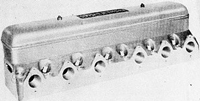
If you want optimum mileage and efficiency, go with an HEI ignition and maybe an MSD box, plus do an extensive port and polish of the head. The extensive work (and expense) of a lump port head is not really necessary to build a strong reliable daily driver.
Several people have built 292s that turn 7000+ rpms, but they of course are strictly for racing. Our own "Mighty 6" has a truck that eats v8 for lunch!


And years ago drag racers Jim Headrick and Cotton Perry built a 292 that put out (so it's said) over 650 HP. Mike Kirby has a drag racer that has twin 292s (that's right
two engines) that puts out over 1400HP (or 700 HP per straight six). So the 292 can be built to go VERY fast and run VERY competitively with well built small and big block v8s. But that type performance is not for the faint of heart (and pocket!).
My personal preference is to run a 4 speed manual transmission and have a combination of transmission/rear end gearing that allows for a 9.5:1 overall take-off ratio and a 2.6 or 2.7 overall top gear ratio. You'll be able to pull strong off the line and still cruise at 75-80 mph on the interstates.
-magic mike-